
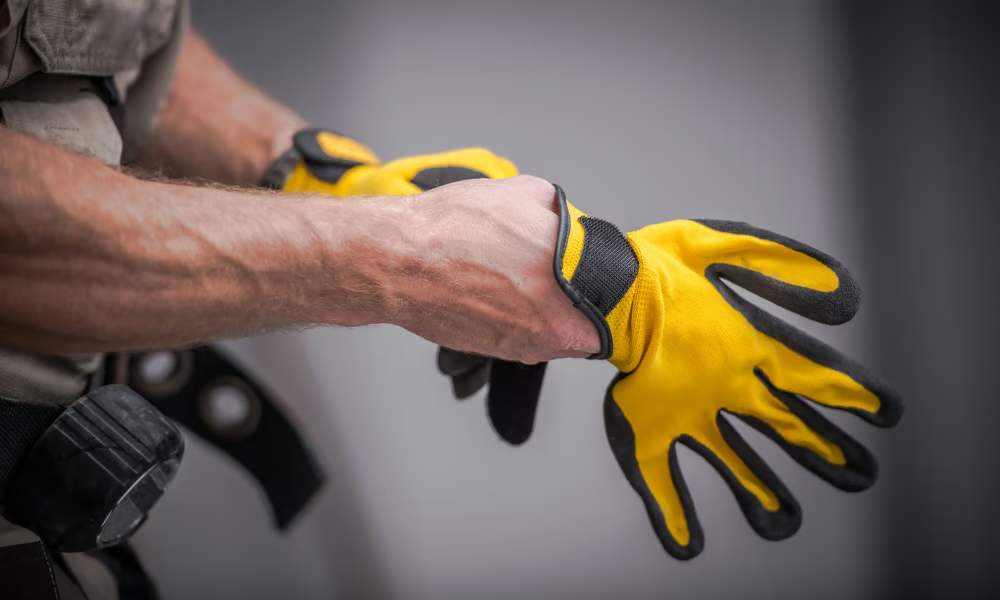
シンナー、スマート、グリーン:安全手袋の進化
謙虚な仕事の手袋は静かな革命の真ん中にあります。 超薄型の「秒スキン」デザインから、糸やサステイナビリティ重視のプログラムを設計し、ハンドプロテクションが高速に変化し、保護作業員が実際に着用するかどうかを安全指導者が追いつく必要があります。
これは、ブラッド・マカド、保護産業製品(PIP)の手と腕製品の専門家からのメッセージです。 旅行の方向は明確です。快適さ、デキステリティ、よりスマートな選択は、生のカットスコアと同じくらい重要です。
「保護レベルにほとんど完全に選ばれたのに使用される手袋」とMachado氏は言います。 「しかし、快適で使いやすさがなければ、労働者は単にそれらを保たれず、リスクが疑われるところです。」
第二の皮膚のような感じの手袋
近年の主なシフトの1つは、保護を犠牲にすることなく薄手の高性能手袋がなってきた方法です。
市場は製造業者がより少ない材料とのより高い切断の抵抗を達成することを可能にするヤーンの技術の進歩を見ていますライター、まだ要求する標準に会うより適用範囲が広い手袋を作り出します。 「確かにそこにいる」という感じにできるだけ近いうちに、労働者にとってより良い保護を提供することです。
「私たちは21-gaugeの手袋が2番目の肌のように本当に感じることができる点にいます。」 Machadoノート。 「指先の戦術力と、古い、かさばるデザインでは不可能なモーター制御を手に入れています。」
歴史的に、厚さはユーザーに対して頻繁に働きました。 かさばりの手袋は、細かいタスクを実行するのを困難にしました。そのため、労働者はPPEを取り除き、エッジや他の危険を鋭くするために手を出します。 設計の挑戦は、労働者が中盤を脱ぐ必要性を感じないほど快適で通気性があり、柔軟に手元に手袋を保つことです。 快適性、難易度、使いやすさは、現実世界のコンプライアンスの重要なドライバーとして誕生しています。
糸の内側:薄い手袋がまだ保護する方法
性能のこの飛躍の背後にある材料の革新の波、特に設計された糸で。
高性能ポリエチレン(HPPE)は、切削加工手袋の最も一般的な繊維の1つですが、ステンレス鋼やガラス繊維などの材料とますます混在しています。 これらのブレンドは、オールデイウェアに必要な柔らかさと柔軟性を維持しながら、より薄い構造で高い切削抵抗を可能にします。
「最後に、私たちが糸を設計する方法は本当にです」とマカド氏は言います。 「異なる繊維を組み合わせることで、作業者のバルクや剛性を加えて、より高いカット評価を得ることができます。」
ゲージカウントは技術の改良として低下し続けます。 わずか数年前に、18-ゲージ製品が最も薄い実用オプションと見なされました。 現在は、21-ゲージ手袋を市販しており、糸やニット技術としてより微細な構造が進んでいます。
さらに、ウェアラブル技術は、より高リスクや限られた環境で作業者の監視をサポートするために、どのくらいの機器が着用されているかを追跡するから、手の保護と交差し始めるかもしれません。
サステナビリティ:「ニッキー」から実用的なインパクトまで
新しい繊維やコーティングが届くにつれて、環境の足跡は急成長しています。 多くの組織にとって、手の保護の持続可能性は、シンプルで実用的な質問から始まります。時間をかけて少数の手袋を使用する方法。
1組あたりの費用から摩耗ごとの費用への焦点は移ります。 労働者が絶えず身に着けることを喜んでいるより耐久の手袋は交換周期を拡張できます、購入の費用および無駄を両方減らします。 これは、予算の圧力が高く、グローブの支出が重要である小規模の雇用主にとって特に重要です。
“The most effective way to be sustainable with gloves is to buy the right product less often,” Machado explains. “If it lasts longer in the field and workers want to wear it, you’re cutting both cost and waste at the same time.”
A glove that costs more upfront but lasts longer, and stays on workers’ hands because it is comfortable and usable, can significantly reduce overall consumption. In turn, fewer replacements mean less waste to landfill and fewer resources consumed, aligning practical purchasing decisions with ESG goals.
Beyond compliance: choosing the right glove for the job
Technology alone will not deliver safer hands if organizations select gloves purely to satisfy compliance checkboxes. One common misstep is overreacting to changes in standards by automatically jumping to the highest cut rating available.
Instead of defaulting to “more is better,” safety managers are encouraged to align gloves with the actual task, considering hazard level, dexterity requirements, grip needs and durability. The most effective glove is the one workers will consistently wear that still provides appropriate protection for the specific job.
“A higher cut score on paper doesn’t always translate into better safety on the floor,” Machado cautions. “If you go too heavy for the task, workers can lose dexterity, get frustrated and start taking the gloves off.”
That requires going beyond spec sheets. Involving employees in trials, gathering feedback on fit and feel, and observing what happens at the workstation are all critical to making the right choice. If a cut level four glove is performing well, injuries are not occurring, and workers like using it, there may be no justification for moving to a heavier, stiffer cut level nine product, especially if the job itself has not changed. In those cases, upgrading protection can simply add cost and reduce usability without improving safety outcomes.
A task-based approach, assessing the specific hazard (for example, light deburring versus handling heavy plate steel), exposure duration and dexterity needs, helps narrow down options and align the correct PPE to each job.
Key takeaways for safety leaders
For Canadian employers and safety professionals reviewing their hand protection programs, several priorities are emerging:
- Prioritize comfort, dexterity and usability to drive compliance. Ultrathin, high‑gauge gloves can maintain or improve protection while making it easier for workers to perform fine tasks without removing PPE.
- Focus on cost per wear, not just cost per pair. More durable gloves that workers keep on their hands can reduce injury risk, lower total consumption and support sustainability objectives.
- Match cut level to real‑world risk. Do not automatically move to the highest rating when standards or products change; verify whether tasks and hazards justify the upgrade.
- Involve workers in glove selection. Their input on feel, grip and dexterity is essential to ensuring new products are accepted and consistently worn.
As materials science and wearable technology continue to advance, hand protection will only get thinner, smarter and more tailored. The opportunity for safety leaders is to move beyond a compliance-only mindset and select gloves that support how work is actually done. That shift improves both protection and the likelihood that gloves stay on hands.
This article is part of our Monthly Spotlight series, which in March focuses on Technology and Innovation.
This article was produced in collaboration with PIP Canada.

